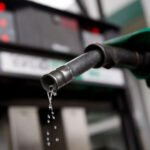





The temporary shutdown of the Port Harcourt refinery for maintenance, just six months after it was commissioned following a $1.5 billion rehabilitation, emphasises the deep-rooted inefficiencies in Nigeria’s state-run refinery operations.
Development Diaries reports that the Nigerian National Petroleum Company Limited (NNPC) in a recent statement announced that the facility would be closed for one month to carry out maintenance and sustainability assessments.
PRESS RELEASE
NNPC Ltd Announces Planned Maintenance Shutdown of PHRC
The Nigerian National Petroleum Company Limited (NNPC Ltd.) wishes to inform the general public that the Port Harcourt Refining Company (PHRC) will undergo a planned maintenance shutdown.
This scheduled… pic.twitter.com/TFTQ3BmtyJ
— NNPC Limited (@nnpclimited) May 24, 2025
This is a clear sign of failure in how public projects are managed in Nigeria. It is disappointing and frustrating for Nigerians who have waited for years to see these refineries work again.
Spending that much money and then shutting down the facility shortly after shows a serious lack of planning and accountability.
This situation raises major questions about trust.
How can the government claim the refinery was fully revived in November 2024, only to shut it down in May 2025 for ‘maintenance’?
Nigerians deserve to know the truth. What exactly was done with the $1.5 billion? Was the refinery ever truly operational, or were citizens misled for political gain?
Recall that when the refinery was revamped in November 2024 after the rehabilitation programme, there were doubts about the operation of the refinery amidst allegations that it was a mere blending plant.
But the NNPCL insisted that the refinery was up and running, with loading operations in full swing, contrary to insinuations in certain quarters.
The federal government spent more than N11 trillion on refinery rehabilitation between 2010 and 2023, according to a May 2023 report by the House of Representatives Ad-hoc Committee on the State of Refineries in the nation.
Over the years, public funds have been wasted on refineries with very little to show for it.
This situation highlights a critical gap in accountability and transparency. Despite repeated assurances and massive financial outlays, the refineries have consistently failed to meet expectations, with little or no clear reporting on project milestones, expenditures, and performance outcomes.
In a country where over N11 trillion has reportedly been spent on refinery rehabilitation over the last decade, the lack of concrete results raises serious questions about oversight, project execution, and the sincerity of public officials in managing national resources.
That is why many experts are now calling for the refineries to be sold to private investors.
The belief is that private companies will manage them better, with more efficiency and transparency, because they are under pressure to perform and be profitable.
To rebuild public trust, Development Diaries calls on the Group Managing Director of NNPCL, Bashir Ojulari, and the Minister of State for Petroleum (Oil), Heineken Lokpobiri to provide clear answers to Nigerians on the rationale behind the shutdown of the Port Harcourt refinery despite the $1.5 billion rehabilitation.
The NNPCL should publish a detailed report on how the $1.5 billion was used, who handled the rehabilitation work, and why the refinery stopped working so soon after commissioning.
Nigerians have a right to this information after postponing the opening more than six times.
Photo source: NNPCL