




As the country moves closer to the 2027 general election, familiar debates around the 2022 Electoral Act have returned, including electronic transmission of results, vote-buying, prosecution of offenders, and the wide discretionary powers of the Independent National Electoral Commission (INEC).
Development Diaries reports that there are concerns about the grey areas surrounding electronic transmission of results, the weak and inconsistent prosecution of electoral offenders in a system marked by impunity and vote-buying, and lingering questions over the true independence of the electoral umpire.
But beneath the noise lie the more basic questions of what exactly is failing, why it is failing, and who benefits from that failure.
The uncomfortable truth is that Nigeria’s electoral system is not just weak; it is structured to allow discretion, delay, and elite manipulation.
The Electoral Act 2022 was rightly praised as a major reform, but the 2023 elections exposed how far intent can fall short of impact.
Legal ambiguity and weak enforcement repeatedly undermined the promise of credible elections. This matters because elections are the entry point to governance.
When the rules of political competition are compromised, everything else, including budgets, policies, and public services, suffers.
The first major gap lies in the electronic transmission of results. Sections 50 and 60 of the Electoral Act allow electronic accreditation and collation, but they stop short of making real-time electronic transmission compulsory across all elections.
There are no clear timelines and no serious penalties for failure.
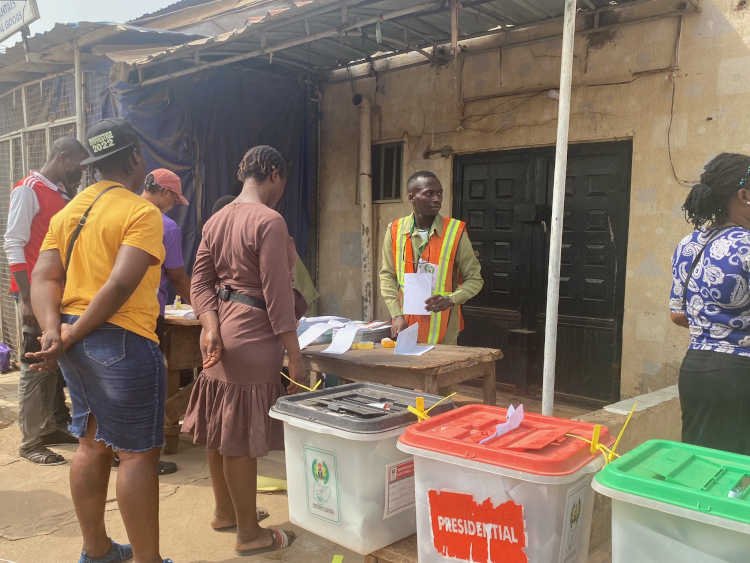
In 2023, the Bimodal Voter Accreditation System (BVAS) worked largely for accreditation, yet the delayed and inconsistent upload of presidential results to INEC’s Result Viewing Portal (IReV) sparked outrage and prolonged court battles.
INEC blamed technical issues, and the law allowed that explanation. In a high-stakes election where margins are narrow, discretion is not neutral. It creates room for administrative explanations that cannot be independently verified in real time. Legal ambiguity became political power.
Unless the law is amended to make electronic transmission compulsory, time-bound, and backed by redundancy systems and penalties, Nigeria risks repeating elections where results are trusted only after months in court.
The second gap in the Act, which is a deep problem, is electoral offences without consequences. Sections 121 to 129 of the Act criminalise vote-buying, intimidation, and impersonation, but enforcement is weak.
During the 2023 elections, the Nigerian police said it recorded 489 infractions nationwide. About 781 suspects were arrested across presidential, governorship, and legislative polls.
INEC compiled over 1,000 case files in collaboration with the police and the Nigerian Bar Association, but as of early 2025, only about 774 cases were reportedly under prosecution, with very few convictions.
This is partly because INEC is expected to both conduct elections and prosecute offenders, a flawed arrangement that overstretches capacity and blurs responsibility.
The third gap is money politics, which further worsens the crisis. Although the Electoral Act sets spending limits, these rules are routinely ignored.
The 2023 elections normalised open vote-buying, such as cash, food items, transfers, and digital inducements, often in full public view.
Monitoring was weak, and penalties were ineffective. For wealthy candidates, fines are not deterrents; they are minor expenses. Without real-time disclosure, digital tracking, and the threat of disqualification, money replaces persuasion.
This shuts out women, young people, persons with disabilities, and candidates without wealthy backers, turning elections into contests of purchasing power rather than public choice.
The fourth gap has to do with party primaries that undermine voter choice. Section 84 was meant to improve party primaries, but parties quickly found workarounds.
Delegate lists are manipulated, consensus is imposed, candidates are substituted, and courts are flooded with pre-election cases. In many cases, elections are effectively decided before voters cast their ballots.
When primaries are flawed, general elections become rituals rather than real contests.
The fifth gap has to do with INEC itself, which sits at the centre of these contradictions with too much power and too little protection.
The law gives the commission enormous responsibility – technology, logistics, coordination, and enforcement, without enough protection from political pressure or sufficient accountability safeguards.
Why has reform stalled?
Because electoral ambiguity benefits incumbents and political elites who can afford money politics, litigation, and institutional influence.
Expecting lawmakers to voluntarily close loopholes that serve them is unrealistic. That is why citizen pressure, strategic litigation, and sustained public scrutiny are essential.
At stake are procedures and rights. The right to vote and have that vote counted transparently is fundamental. And when elections fail, citizens are denied those rights.
What must happen now?
We must demand compulsory, real-time electronic transmission of results backed by law, not discretion. We must push for the immediate establishment of an independent Electoral Offences Commission with clear prosecutorial powers.
Communities should document and expose vote-buying and campaign finance abuses, challenge vague provisions through the courts, pressure parties to clean up their primaries, and treat vote-buying as theft of rights, not ‘settlement’.
Nigerians should demand that the National Assembly amend the Electoral Act to mandate electronic transmission with clear timelines and penalties, pass the Electoral Offences Commission bill, strengthen campaign finance enforcement, including disqualification for serious breaches, and tighten rules on party primaries and substitutions.
INEC must publish binding technical standards, reduce grey areas through clear guidelines, and provide regular public updates on offence prosecution. The courts must fast-track pre-election cases and focus on substance over technical loopholes.

