






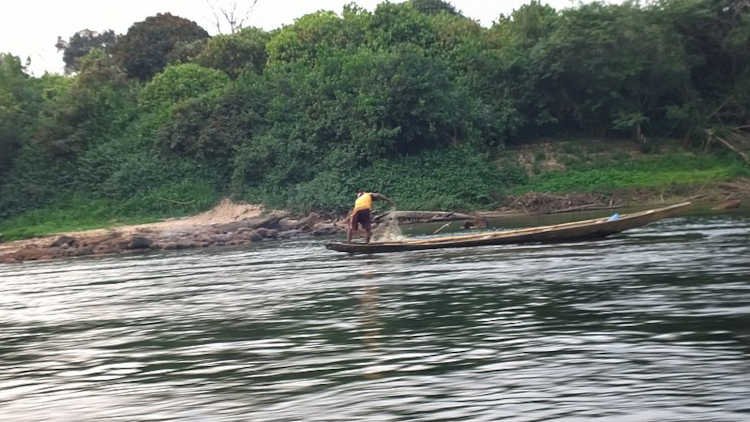
Nigeria’s Niger Delta region continues to face environmental degradation caused by oil spills, leaving many fishing communities without their primary source of income.
Development Diaries reports that as the country observes 2023 World Fisheries Day, the region’s communities require a commitment to environmental justice.
The Niger Delta is home to numerous small-scale fishing communities that have sustained themselves for generations through traditional fishing practices.
However, these communities often face significant challenges, including environmental degradation, economic marginalisation which hamper the rights of their inhabitants.
The communities are disproportionately affected by environmental degradation resulting from oil spills, pollution, and climate change.
Due to the federal government’s constant pressure to maximise oil production, the oil corporations are left to operate with little regulation, which leads to the adoption of substandard environmental, health, and safety practises in their field operations that pollute the environment.
In addition, negligence, system or equipment failure, and unethical practises result in frequent oil spills, continuous gas-flaring, and improper disposal of toxic waste.
Data from the Rise for Bayelsa campaign shows that about 40 million litres of oil are spilled every year across the Niger Delta.
Furthermore, the lack of adequate compensation exacerbates the injustices faced by these communities.
They are left voiceless and powerless in the face of powerful corporations and government entities that prioritise economic interests over the well-being and rights of the community inhabitants.
The devastating impact of oil spills extends beyond the immediate environmental damage. Fishermen and their families are left grappling with the loss of livelihoods as fish stocks decline and water sources become contaminated.
This not only undermines the right to work and an adequate standard of living but also poses severe health risks to those who rely on the polluted waters for sustenance.
Strengthening human rights in these communities requires a commitment to environmental justice. Governments, both local and national, must enforce and strengthen regulations to prevent and address environmental damage.
Additionally, the federal government, through the Ministry of Environment, must put in place mechanisms for holding corporations accountable for ecological harm.
Photo source: Oboro Oizamisi