






There is real cause for concern in Nigeria’s latest corruption ranking, not because the country dropped two places, but because it scored 26 out of 100 again.
Development Diaries reports that Nigeria dropped two places to 142nd out of 182 countries in the 2025 Corruption Perceptions Index (CPI) of Transparency International (TI).
According to TI’s latest assessment of public sector corruption, the nation scored 26 out of 100.
While Nigeria retained the same score it posted in 2024, its movement from 140th to 142nd shows stagnation in its anti-corruption efforts amid persistent governance challenges.
Reacting to this development, the Civil Society Legislative Advocacy Centre (CISLAC) has called for stronger action against corruption in Nigeria.
CISLAC’s reaction to Nigeria’s latest CPI ranking is not really about the country dropping two places. The deeper issue is that Nigeria scored 26 out of 100 again, which shows that the system for preventing and punishing corruption is not improving.
Ranking can change because other countries move, but the score staying the same means Nigeria’s governance system is still weak.
Nigeria remains below both the global average and the sub-Saharan African average, and behind more than 30 African countries, hence this shows stagnation.
The report also shows an important contradiction. On one hand, the Economic and Financial Crimes Commission (EFCC) and Independent Corrupt Practices and Other Related Offences Commission (ICPC) reported large asset recoveries, hundreds of billions of naira, millions of dollars, and many properties.
Nigeria was also removed from the Financial Action Task Force (FATF) grey list after improving its anti-money laundering controls.
These are positive steps. But asset recovery and international compliance do not automatically reduce corruption inside the country.
If new money keeps leaking through procurement fraud, oil theft, subsidy scams, and weak budget control, recoveries simply chase yesterday’s theft while new theft continues today.
What is failing is not just individuals but the public integrity system. Procurement and budgeting systems allow leakages, the courts are slow and sometimes compromised, so corruption cases drag without clear punishment.
Political competition is weakening, civic space is shrinking, and public institutions do not comply properly with the Freedom of Information Act.
When citizens, journalists, and activists cannot freely demand information, accountability becomes difficult. This is why corruption becomes ‘consequence-free’.
Responsibility sits with clear duty-holders. The Presidency and Federal Executive shape the tone of enforcement and make key appointments that affect institutional independence.
The National Assembly has the power to pass the Whistleblower Protection Bill, strengthen procurement transparency, and enforce budget oversight.
The judiciary and related bodies must ensure transparent appointments and discipline. EFCC and ICPC must show both recoveries and also fast case completion and convictions.
Ministries, departments, and agencies where contracts are awarded and payments made must open their processes to public view.
Citizens should now focus on practical demands.
We should begin by asking for a public recovered-assets ledger that shows what was recovered and how it is used, demand a quarterly dashboard from EFCC and ICPC showing cases filed, concluded, and conviction rates.
Nigerians should also push for an FOI compliance league table for MDAs, insist that power, oil, and major infrastructure contracts are published openly, pressure lawmakers to pass the Whistleblower Protection Bill and to reform judicial transparency.
This week, citizens can send FOI requests, contact their representatives, and ask for contract and recovery data. The goal is to reduce opportunities for theft and increase certainty of punishment.
Without this, anti-corruption will remain headlines, not real change.
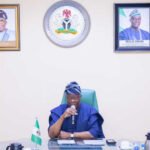
Photo source: Bola Tinubu