




The rescue of 33 underage girls from a trafficking ring in Anambra State is important and commendable, but it must not end as another headline that fades after a few days.
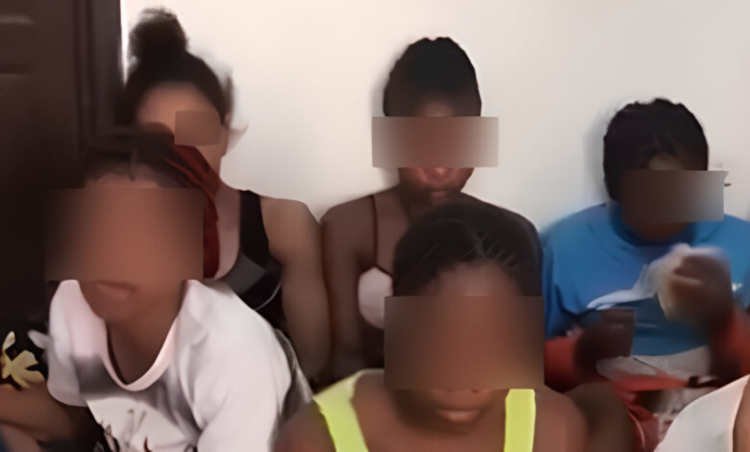
Development Diaries reports that in a recent raid, the Anambra State Police Command exposed a child trafficking operation in Awkuzu, Oyi local government area of the state, and rescued 33 underage girls from a compound believed to be used for illicit activities.
According to reports, the raid, carried out by officers from the Rapid Response Squad in Awkuzu, followed an investigation into cases of kidnapping, abduction, and missing children.
While this is a significant breakthrough, it must go beyond one dramatic headline and be treated as a wake-up call about a much deeper crisis.
Nigeria has seen thousands of human trafficking victims in recent years, as the country ranks among the top 10 countries globally for human trafficking, with over 1.3 million Nigerians living in modern slavery as of 2023, according to the Global Slavery Index.
The National Agency for the Prohibition of Trafficking in Persons (NAPTIP) reported that 80 percent of intercepted victims in 2022 were deceived by traffickers.
This is a broad problem because child trafficking does not happen overnight or in isolation. It survives because networks exist, communities stay silent, and systems meant to protect children fail to act early.
The fact that so many girls were kept in one place raises serious questions about how long this operation had been running and who looked away.
Meanwhile, child labour and exploitation affect millions of children nationwide.
According to the International Labour Organization (ILO), over 24 million are engaged in work, and nearly 40 percent of Nigerian children aged 5-17 are in forced labour situations that increase their vulnerability to trafficking and abuse.
This issue is also about gender equity and inclusion. Girls are being exploited because they are seen as disposable, powerless, and easy to silence.
Protecting them means valuing their lives, education, safety, and future, because if it takes 33 rescued girls for action to happen, then the system is not broken; it is asleep, and traffickers are taking full advantage of that silence.
While the police deserve credit for the rescue, the real work starts now. They must fully map, expose and prosecute entire trafficking networks, while all those involved must be identified, arrested, and prosecuted openly.
Furthermore, state governments must strengthen child protection systems, community monitoring and gender-inclusive support services for girls and boys alike.
The Nigeria Police Force, NAPTIP, and the Ministry of Justice must work together to expose and prosecute the entire trafficking network, not just the few suspects already named.
The Anambra State Government, the Ministry of Women Affairs, local government councils, and child welfare agencies must strengthen monitoring systems and regularly inspect homes, shelters, and compounds that house children.
Nigeria already has over 24 million children engaged in child labour, making many of them easy targets for traffickers. Without strong prevention and early warning systems, rescues will always come too late.
Photo source: NAPTIP