




Nearly 300,000 people have been severely impacted by the destruction of 32 water facilities in Burkina Faso, according to a group of 13 humanitarian organisations in the country.
It is understood that targeted attacks have ranged from direct hits on water points and water trucks.
The organisations, including Association pour la Gestion de l’Environnement et le Developpement (AGED), Association pour la Paix et la Solidarité (APS), Action pour la Promotion des Initiatives Locales (APIL), Experts-Solidaires, and Norwegian Refugee Council (NRC), said in a statement that most destructions occurred in Djibo, a city that hosts more displaced people than any other in the country.
‘These repetitive attacks on water services and their severe impact on hundreds of thousands of vulnerable civilians are unprecedented in Burkina Faso and have not been seen elsewhere in the Central Sahel region either’, the NRC Country Director for Burkina Faso, Hassane Hamadou, said.
‘Disrupting civilians’ access to water is no longer a mere by-product of the conflict. It has become a weapon of war and marks a new, despicable turn in violence.
‘For the sake of dignity and survival of an already exhausted population, this war on water must stop’.
According to WASH Cluster, Djibo residents used to have around six litres of water a day at their disposal. But since the attacks and destruction of water facilities, it is estimated they now have less than three liters.
As of 31 March, 2022, there were 1,850,293 internally displaced people in Burkina Faso, representing almost ten percent of the country’s population, according to CONASUR.
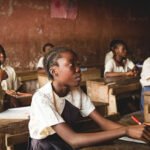
Photo source: NRC