




In Benin, the conversation is no longer about whether President Patrice Talon will leave office, but whether he will truly relinquish power, and in that question lies a deeper test of the country’s commitment to the very principles of democracy and development it claims to uphold.
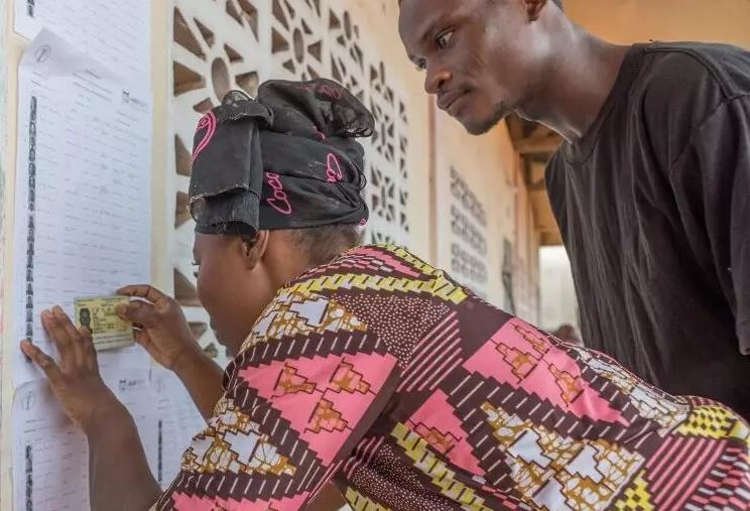
Development Diaries reports that voters in Benin will vote Sunday to elect a new president as President Patrice Talon steps down after a decade in power and a clamp down on the opposition and critics.
Reports suggest that what is unfolding is less about succession and more about preservation, a careful redesign of institutions to ensure that even when the seat changes, the system does not.
When a sitting president handpicks successors, reshapes electoral rules, sidelines opposition, and then prepares a comfortable landing in a powerful Senate, the question practically asks itself, is this leadership transition or political recycling?
The issues here touch on political pluralism, freedom of expression, and the right of citizens to genuinely choose their leaders. Reports that opposition parties were excluded from local elections and that one political coalition secured all parliamentary seats are warning signs.
According to Afrobarometer, over 90 percent of citizens in Benin reject one-party and one-man rule, which tells you that the people understand democracy even when institutions begin to forget it.
Responsibility, therefore, sits squarely with those who design and control these systems, with President Talon, as the central political actor, carrying the primary responsibility for safeguarding democratic integrity.
The ruling political coalition and state institutions, including the Autonomous National Electoral Commission (CENA), also have a duty to ensure that elections are competitive, inclusive, and credible.
Meanwhile, regional actors like ECOWAS cannot continue to endorse processes that citizens themselves experience as exclusionary, because democracy cannot be validated from conference rooms while it is weakened on the ground.
This is fundamentally a rights issue, as the right to participate in governance, vote and be voted for, and freedom of expression are obligations under regional and international frameworks that Benin has signed onto.
And when rights are denied, citizens pay the price, with rising cost of living, limited job opportunities for young people, and growing insecurity in northern parts of Benin linked to extremist spillovers from the Sahel everyday realities.
According to the World Bank, while Benin has recorded steady GDP growth in recent years, poverty and vulnerability remain significant, particularly among rural populations. So, when governance becomes less accountable, the livelihoods, safety, and the dignity of citizens suffer.
This is why citizens must begin to ask harder questions and refuse softer answers. If elections are held, who is allowed to truly contest? If institutions exist, who do they actually serve? If reforms are introduced, who benefits and who is excluded?
Voters must insist that representation is not symbolic but real; and across the region, citizens must pay attention, because what happens in Benin today can quietly become a template elsewhere tomorrow.
At the same time, institutions must do more than exist by functioning with integrity. CENA must guarantee open and competitive elections, the judicial institutions must uphold constitutional rights without fear or favour, while the legislature must represent diverse voices.
Photo source: AFP/Yanick Folly
