






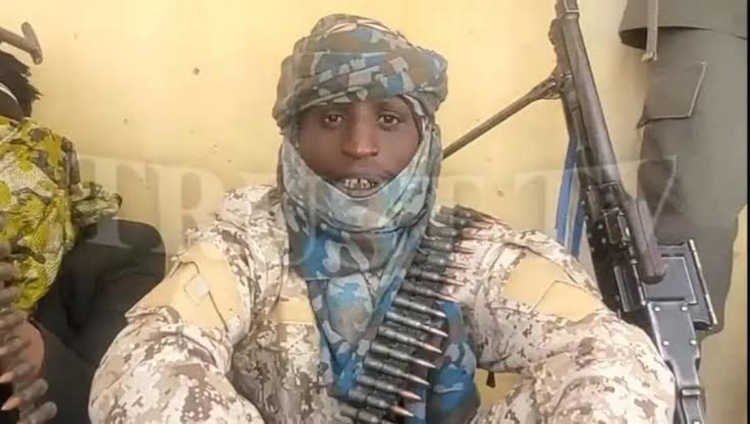
The recent claims by notorious bandit leader Bello Turji that former governors of Zamfara and Sokoto states helped fuel insecurity show how deep and complicated the insecurity problems in Nigeria are and should not be ignored.
Development Diaries reports that, according to a report by Vanguard, Turji accused two former northern governors of contributing to insecurity in the country, particularly in the North.
He also admitted taking part in several peace meetings with the Zamfara State government under a former governor but strongly denied reports that he received N30 million or any other form of payment for his participation.
Whether true or not, Turji’s claims highlight a continuing cycle of violence made worse by past political choices, the arming of vigilante groups, and poor governance.
Even as security agencies go after armed groups, the fact that a bandit leader can openly accuse top political figures without facing immediate consequences shows how weak state authority and the rule of law are in dealing with organised crime.
The situation also shows how hard it is to tell political games apart from real efforts to build peace, leaving citizens stuck between ongoing insecurity and the feeling that powerful people can act without consequences.
Nigeria’s insecurity situation is extremely worrying and getting worse in many parts of the country.
Figures from security experts reveal that about 6,800 Nigerians were killed and over 5,400 were abducted in just the first half of 2025 due to attacks by bandits, insurgents and other armed groups, especially in the north-west and north-east regions.
Other monitoring from Amnesty International shows that hundreds of villages have been sacked and civilians killed or displaced, with frequent raids on mining sites and communities.
Kidnapping remains a major threat too, with one of the most recent cases involving over 300 schoolchildren abducted from a Catholic school in Niger State.
In this context, Turji’s public claim that former governors fuelled insecurity should not be dismissed without proper investigation.
Silence from the federal government and the Ministry of Justice over these allegations is troubling because Nigerians already feel abandoned and unsafe.
Institutions must show that they are working for the people, not hiding behind press releases or hope that issues will go away.
What should be done is clear and urgent.
The Office of the Attorney General of the Federation (AGF) and the Ministry of Justice must publicly clarify whether Turji’s claims will be investigated, and the Inspector-General of Police, Kayode Egbetokun, the Department of State Services and military intelligence should release verified data on past peace talks and outcomes.
Photo source: Salihu Aliyu