






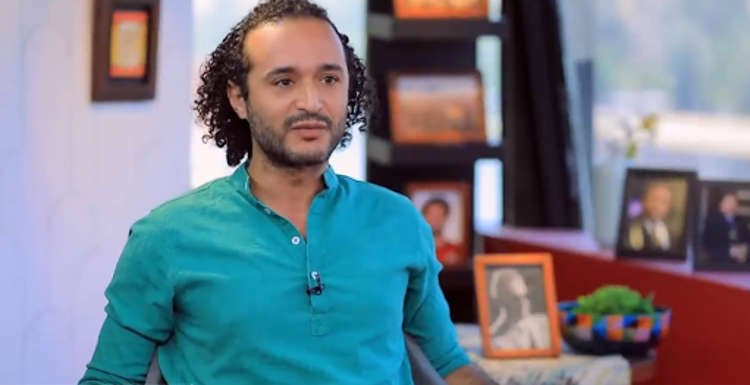
The pre-trial detention of Egyptian poet and activist Ahmed Douma for nothing more than an article and social media posts raises urgent questions about whether freedom of expression still exists in practice or only survives on paper in Egypt.
Development Diaries reports that the details of what he wrote were not even the main story, because in Egypt today, it is often not about what you say but the fact that you said anything at all.
Terms like ‘spreading false news’ or ‘misusing social media’ sound official, but in practice, they function like open-ended invitations, and if your voice becomes inconvenient, the law suddenly remembers your name.
The authorities in Egypt appear to have done the calculation and decided that arresting a known voice is cheaper than allowing that voice to keep speaking, and so the cycle continues, because from their perspective, it is working.
Egypt is not alone on this human rights violation as it is a common practice in Africa.
With African governments now investing in surveillance systems, including those powered by artificial intelligence, the ability to monitor who is saying what, where, and to whom becomes sharper.
The real cost of all this is the quiet calculation happening in the minds of thousands of others, including the journalist who decides not to publish that investigation, the commentator who edits their opinion into something safer, and the citizen who reads the news and chooses silence over expression.
And when journalism begins to disappear, accountability follows it quietly out the door because if no one can ask hard questions, then no one is under pressure to provide real answers.
In that case, governance becomes less about serving people and more about managing perception, and for everyday citizens, that translates into real-life consequences, from unchecked corruption to policies that go unchallenged.
This is why this moment demands more than passive concern.
Citizens across Africa must begin to pay attention to how speech is being regulated in their own countries by asking questions such as what laws govern what they can say online, who decides what counts as false information, and what protections exist when those laws are misused.
At the same time, institutions that claim to uphold rights cannot afford to keep issuing statements without consequences. The African Commission on Human and Peoples’ Rights must take a firmer stance on laws that criminalise expression, especially when they contradict the very charter member states have signed.
The African Union must move beyond diplomatic language and start treating press freedom as a core governance issue, not a side conversation, because at the end of the day, this is about whether citizens can speak without looking over their shoulders.
Since Douma was arrested for writing, the more worrying question is how many others have stopped writing before it got to that point?
Photo source: BBC